Following the success of our initial report that shed light on the Belgian XR ecosystem, we are excited to launch a new series of articles delving into the demand side of XR (Extended Reality) technologies within Belgian companies. This series is based on a comprehensive survey conducted among Belgian professionals, providing valuable insights into how XR is currently utilised, the return on investment (ROI) organisations experience and the challenges and opportunities that lie ahead. This opening article introduces the context, objectives and methodology behind our research, while subsequent articles will delve deeper into usage patterns, adoption barriers and future perspectives.
What is XR ?
Before diving into our survey findings and analysis, let’s take a moment to discover what Extended Reality (XR) really means…
Extended Reality (XR) is an umbrella term that encompasses immersive technologies such as Virtual Reality (VR), Augmented Reality (AR), Mixed Reality (MR), metaverse and digital twin.
These technologies blend the physical and digital worlds to create interactive experiences that can transform how businesses operate, train employees, engage customers and innovate.
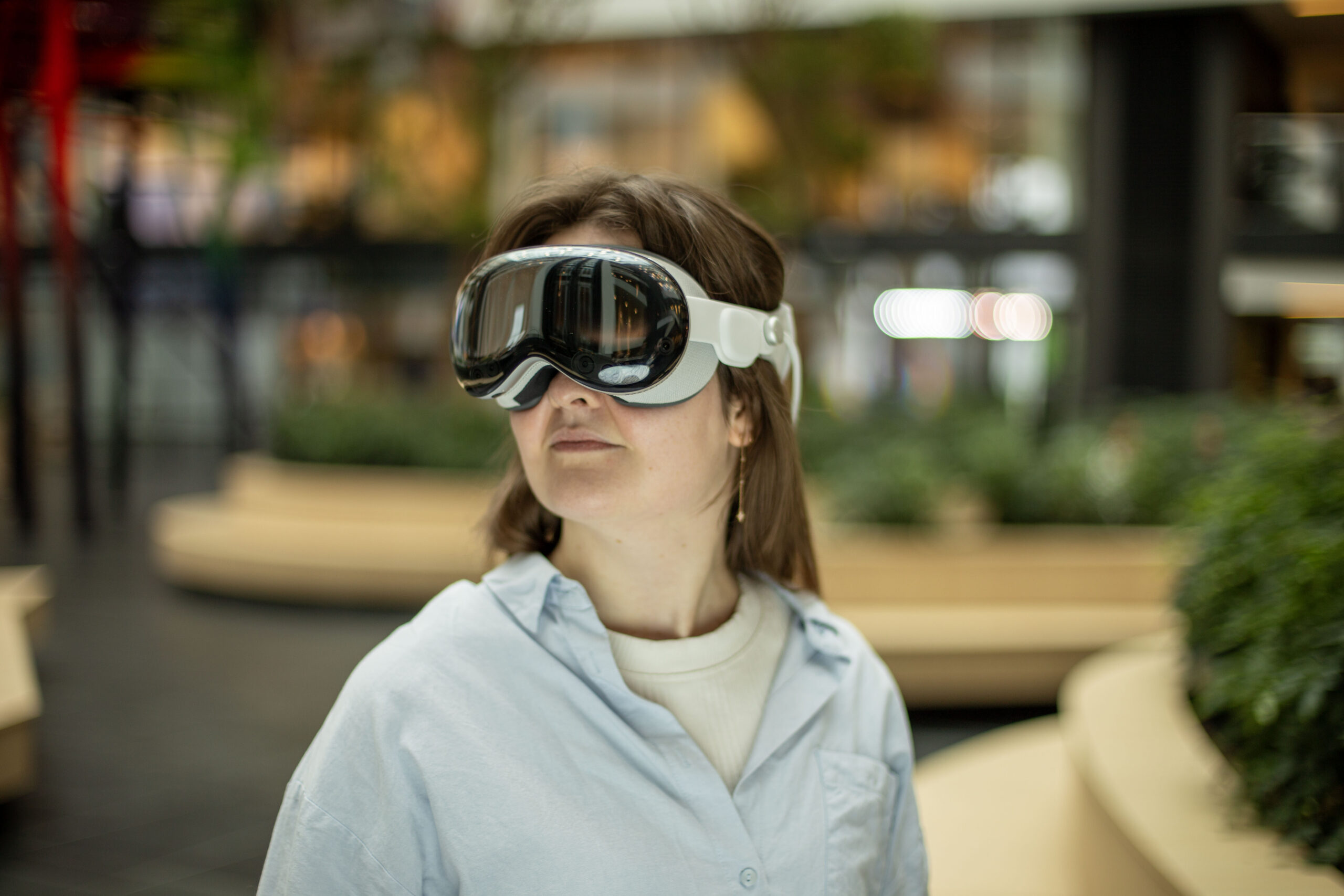
Virtual Reality fully immerses the user in a completely virtual environment through the use of a VR headset.
Augmented Reality overlays digital content onto the physical environment, typically experienced via smartphones, tablets, or AR glasses.
Mixed Reality seamlessly merges the digital and physical worlds, enabling real-time interactions between virtual objects and the real environment through specialised mixed reality headsets.
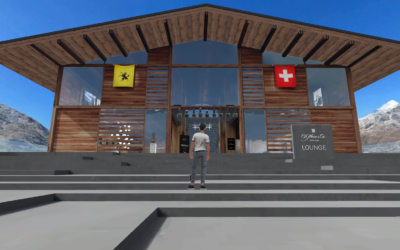
The metaverse is an immersive and interactive virtual universe where users can meet, work, play, and create through digital avatars. It is accessible via computer or virtual reality headset.
A digital twin is an accurate digital replica of a real object, system, or process. It is used for simulation, monitoring, and real-time optimisation, and is generally accessed via computer.
Objective of the survey
The objective of this survey was to build on our initial report, which mapped the Belgian XR ecosystem, by shifting the focus to the demand side. Our aim was to gain insights that would provide a complete picture of the ecosystem by comparing both supply and demand perspectives. To do this, we conducted a survey of Belgian professionals, exploring their current use of XR technologies, the return on investment (ROI) they have realised, as well as their perceptions of the barriers to adoption and the potential for future applications.
By comparing the supply-side insights from the first report with the demand-side data from this survey, we will identify gaps, alignments, and opportunities within the Belgian XR market, offering a more complete picture of its current state and future potential.
Methodology: How we gathered our data
For the data collection, we conducted an online survey published on Buffl on 28 November 2025. A total of 300 participants from Belgium responded to the questionnaire, all providing insights in the context of their professional activities. The respondents are professionals actively working in Belgium, which ensures that the findings reflect a practical and current perspective on the demand for XR technologies within the Belgian business environment.
Profile of survey respondents
The survey respondents represent a diverse cross-section of the Belgian professional landscape. About one third work in large organisations with over 250 employees, while one fifth are from smaller companies with fewer than 20 employees. All respondents are based in Belgium, with the majority located in Antwerp, East Flanders, and Brussels. The most represented sectors include healthcare, public administration, and retail.
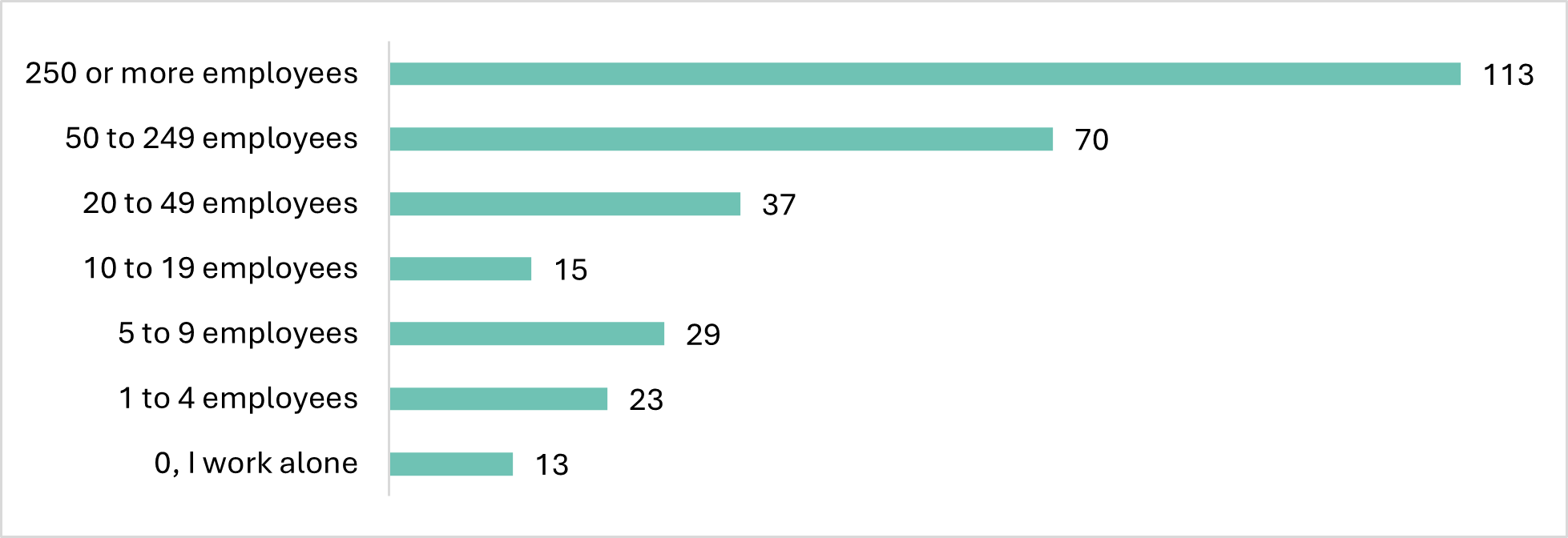
Organisation size
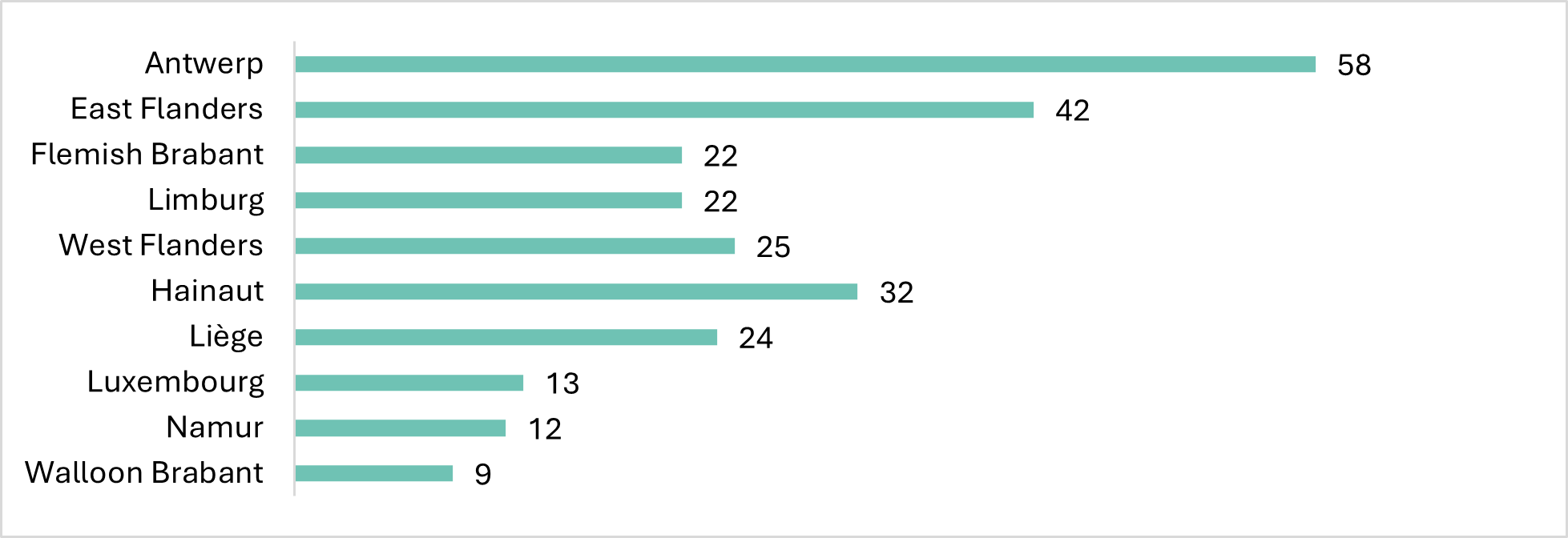
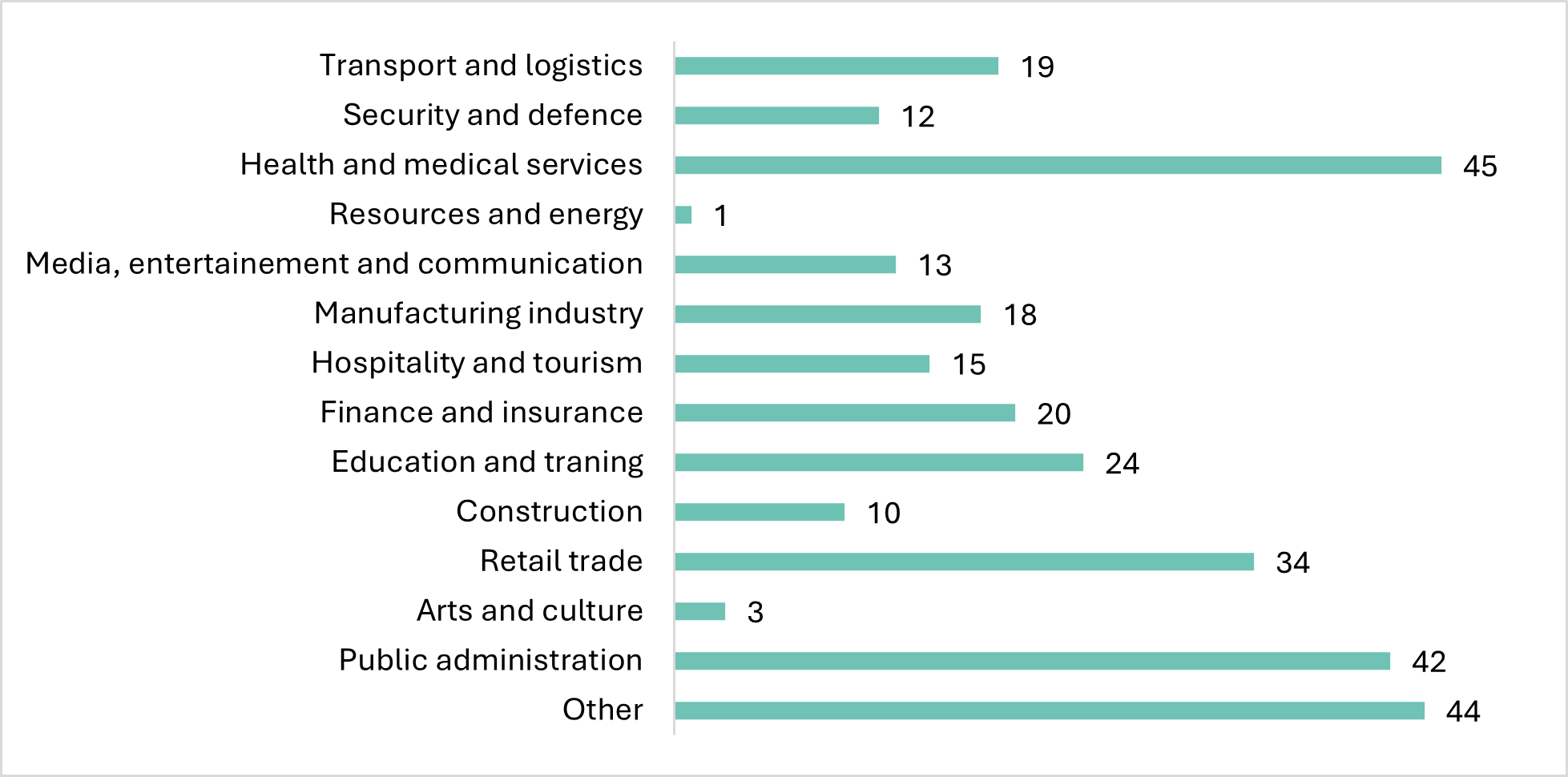
Industry sector
The group includes 171 employees, 48 civil servants, 48 manual workers, and 33 self-employed individuals. Regarding XR knowledge, half of the respondents have heard of XR technologies but lack detailed knowledge, 16% are completely unfamiliar with the concept, 27% have a basic understanding, and only 6% consider themselves experts or have strong knowledge of XR and its applications. This diverse respondent profile ensures that the insights we share in this series are grounded in a broad and representative view of the Belgian market.
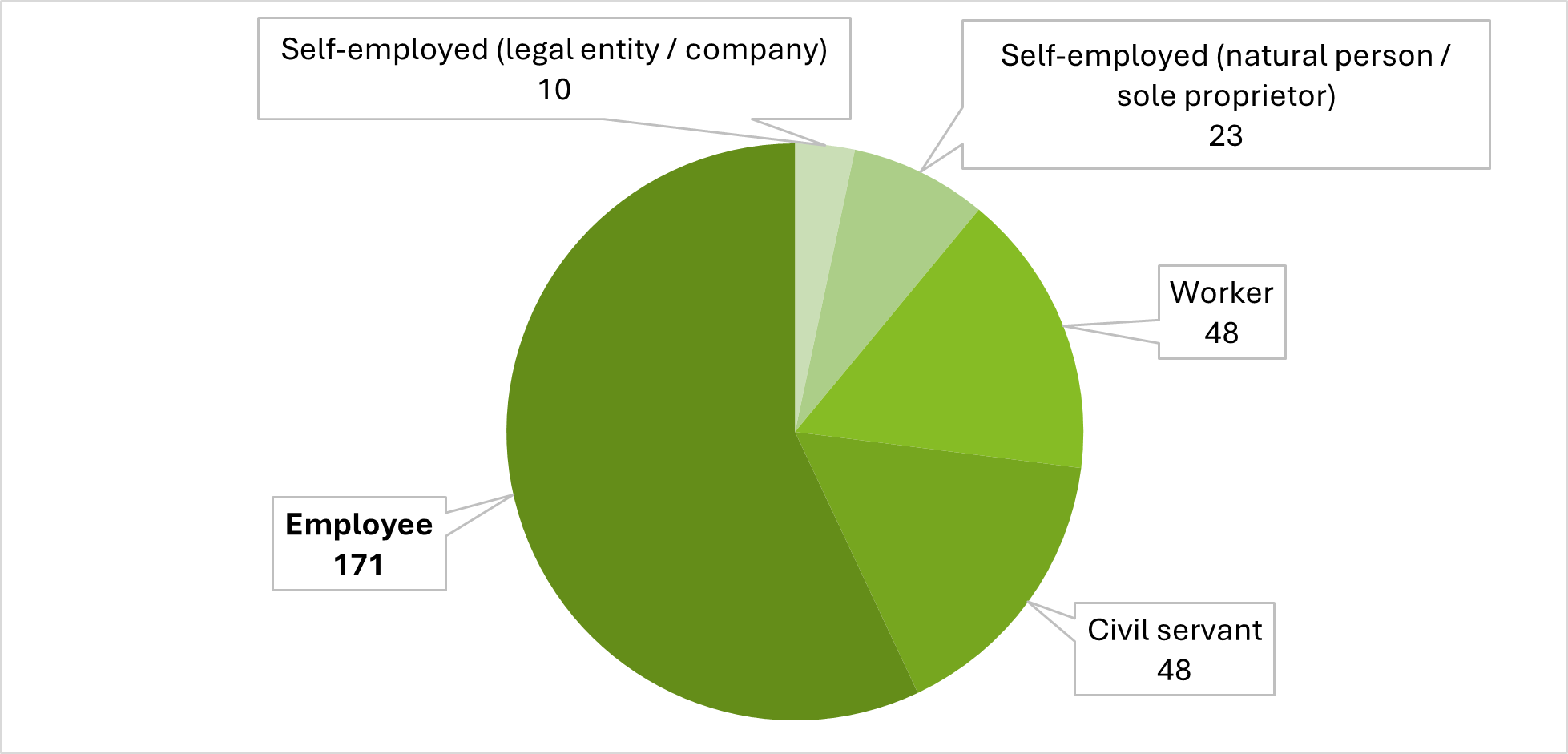
Professions
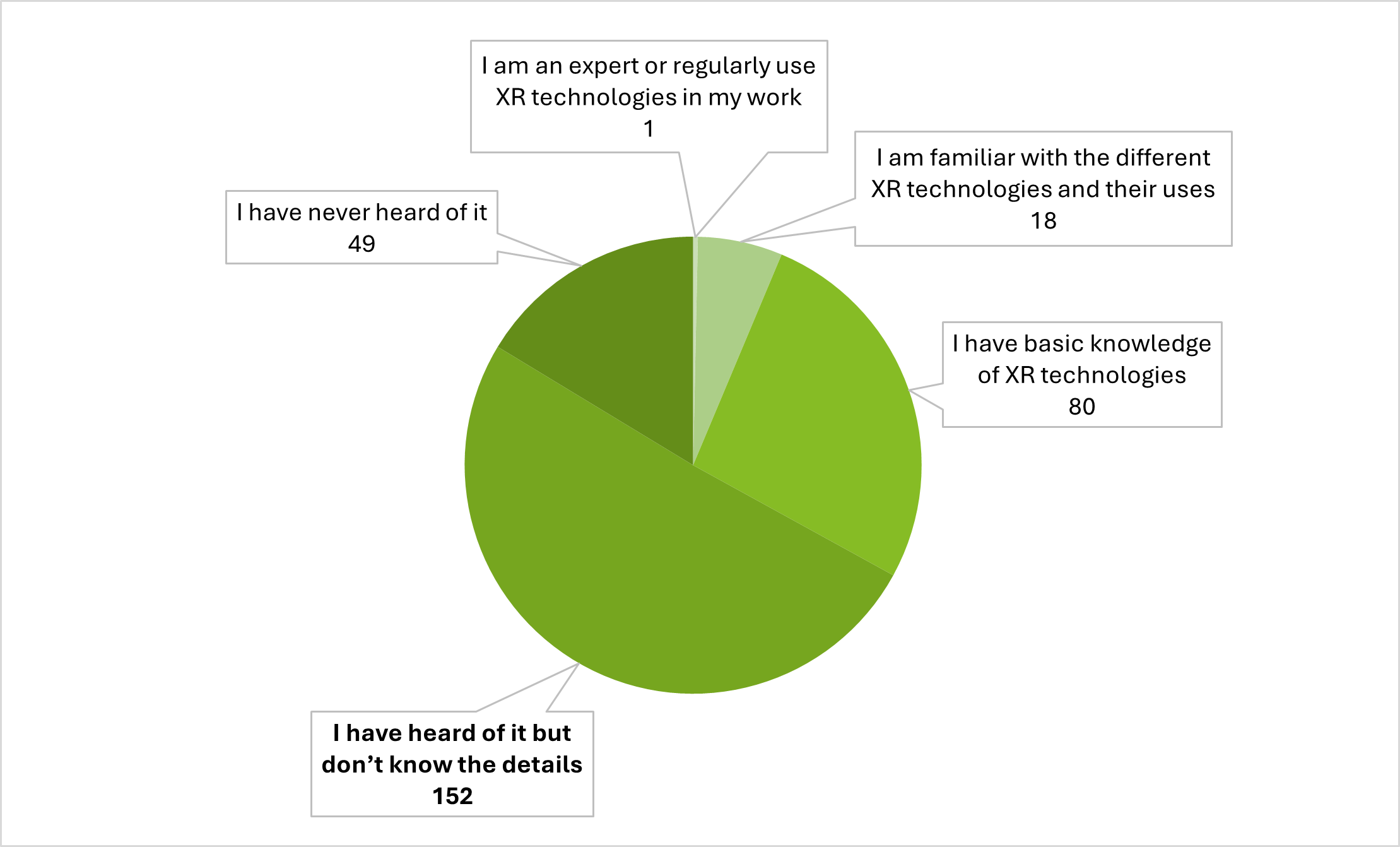
What’s next to come ?
This article is just the beginning of our journey into the world of XR demand in Belgium. In the next article, we will dive deep into how Belgian companies are currently using XR technologies. The third article will explore the barriers to XR adoption and the perspectives of Belgian professionals on future uptake. Finally, we will wrap up the series with key takeaways and actionable recommendations. Stay tuned, there’s much more to discover!

Lilli Bouché
XR Experience Designer