Since 2020, our team focusing on eXtended Reality (XR) at Deloitte Digital Belgium has been exploring the edges of immersive technology: experimenting, prototyping, and learning our way through a rapidly evolving landscape. With approximately 20% of our time dedicated to Research & Development, we’ve built a rich body of work that spans both client-driven projects and internal Proofs of Concept (PoC), reflecting not only technological progress but also the team’s growing intuition about what meaningful, human-centered XR can be.
This article is part of a chronological series that retraces the hidden side of that R&D journey: each article highlights one POC: the context in which it was created, the technology choices behind it, the challenges we faced, and the insights that shaped our next steps. Together, these stories reveal how experimentation fuels capability building.
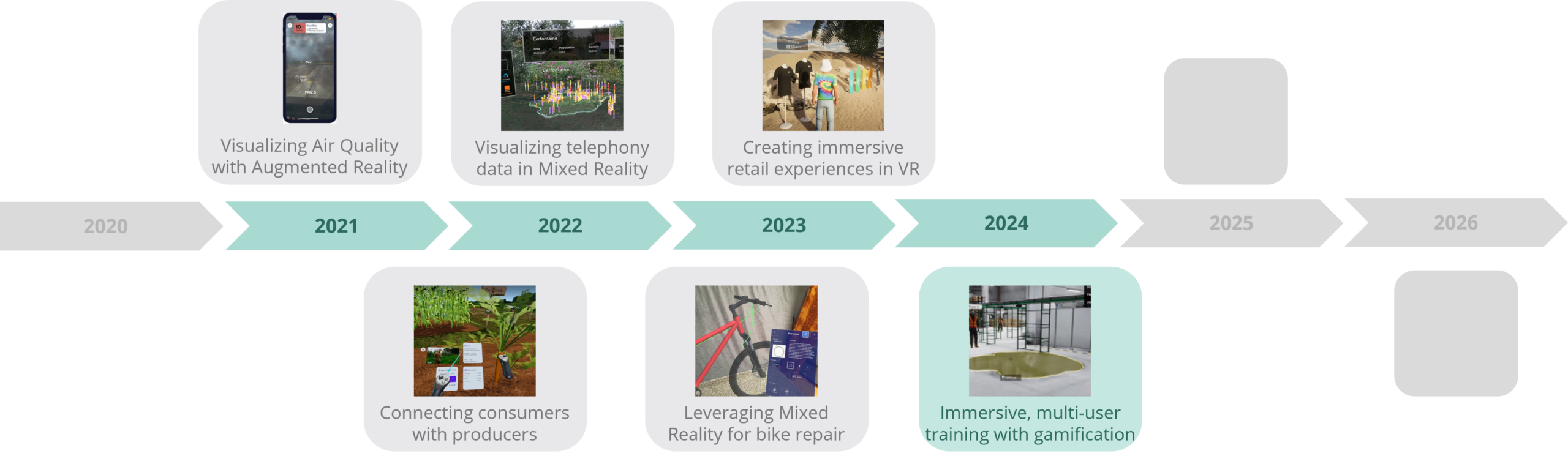
Next projects to be revealed soon…
The project: Multiplayer hazard spotting in a warehouse
In the early stages of our research work, the team set out to reimagine safety training. The challenge was simple: how could we make hazard identification and risk assessment more engaging, more collaborative, and ultimately more effective at changing how people behave?
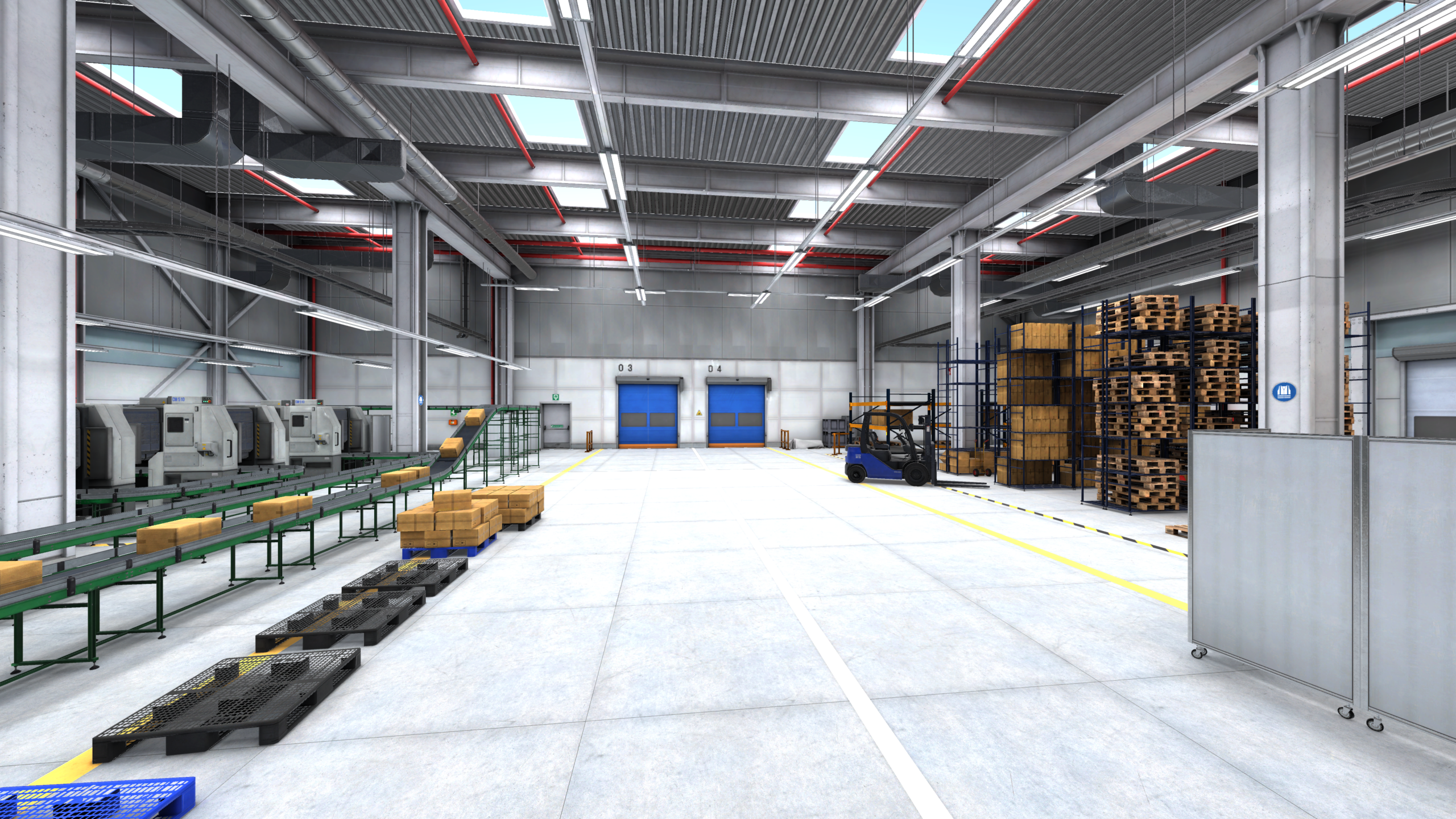
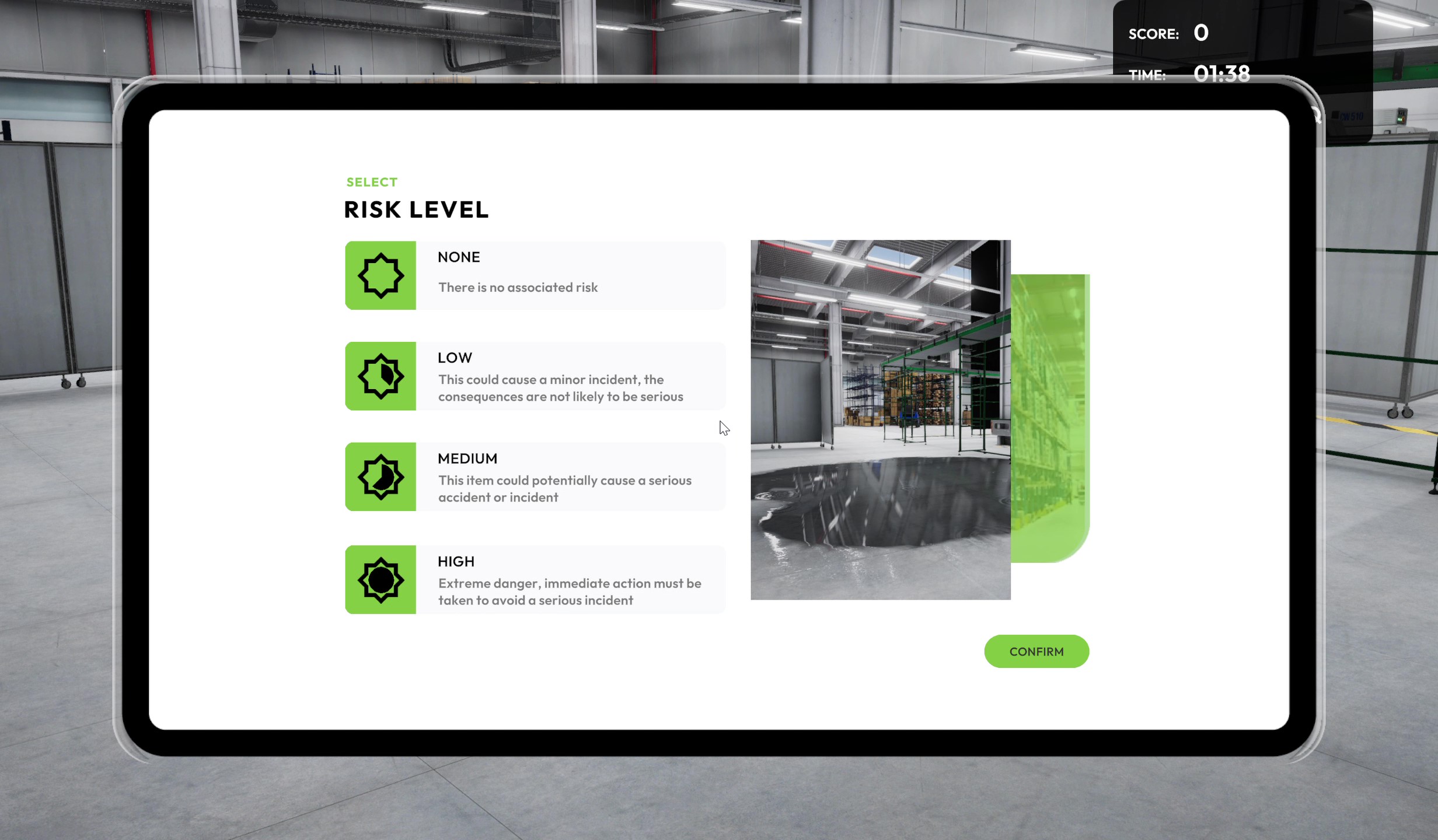
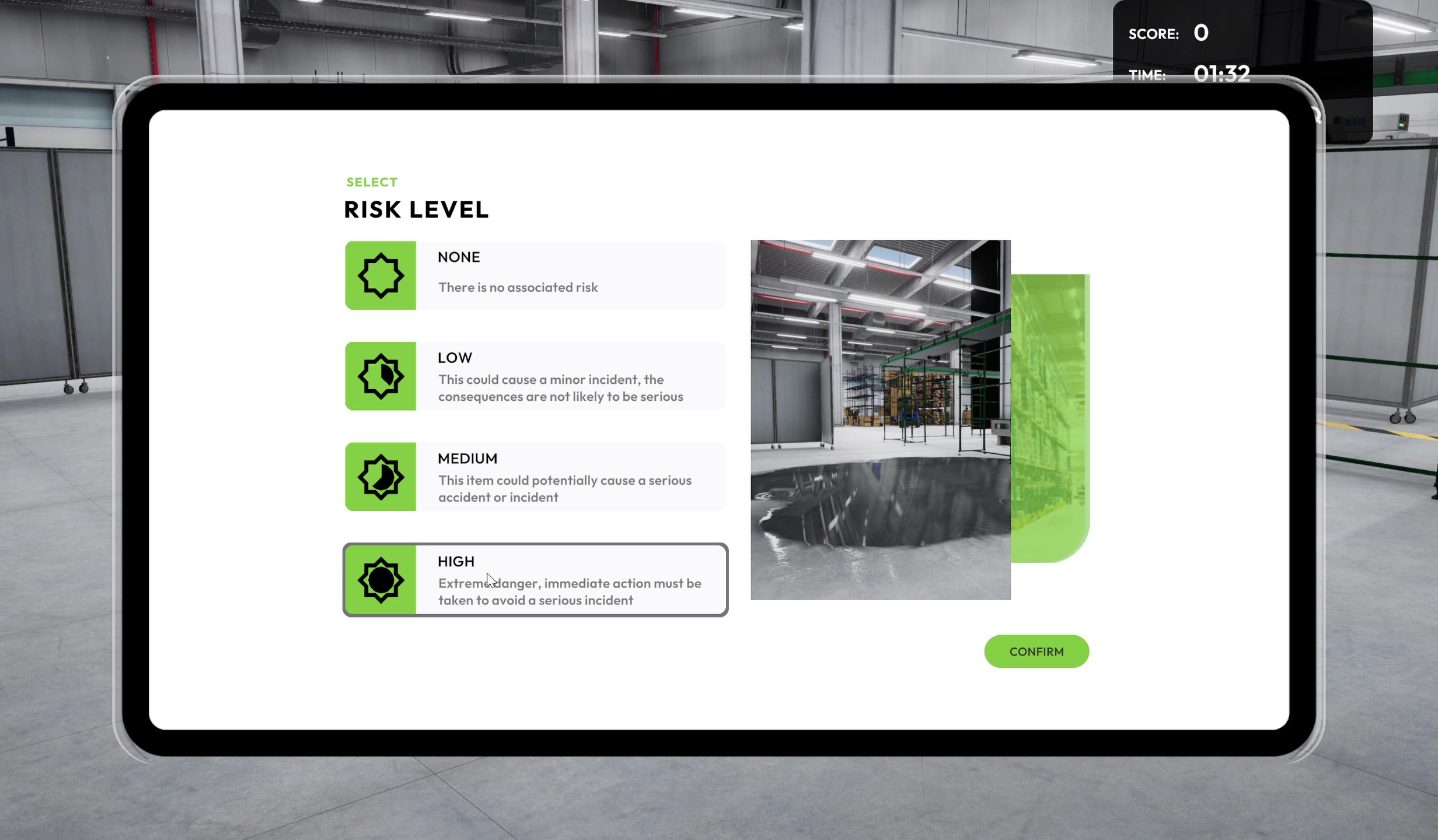
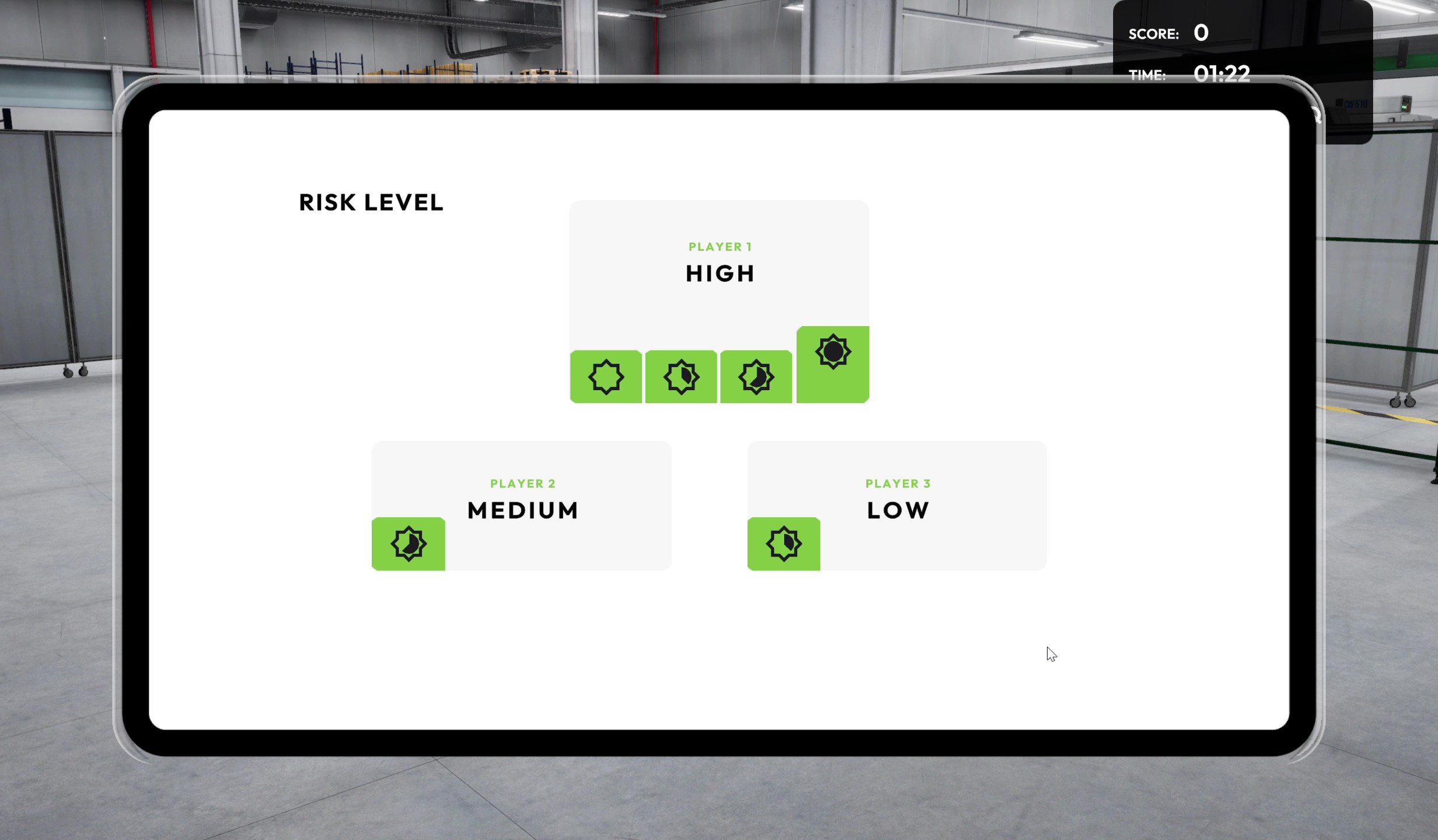
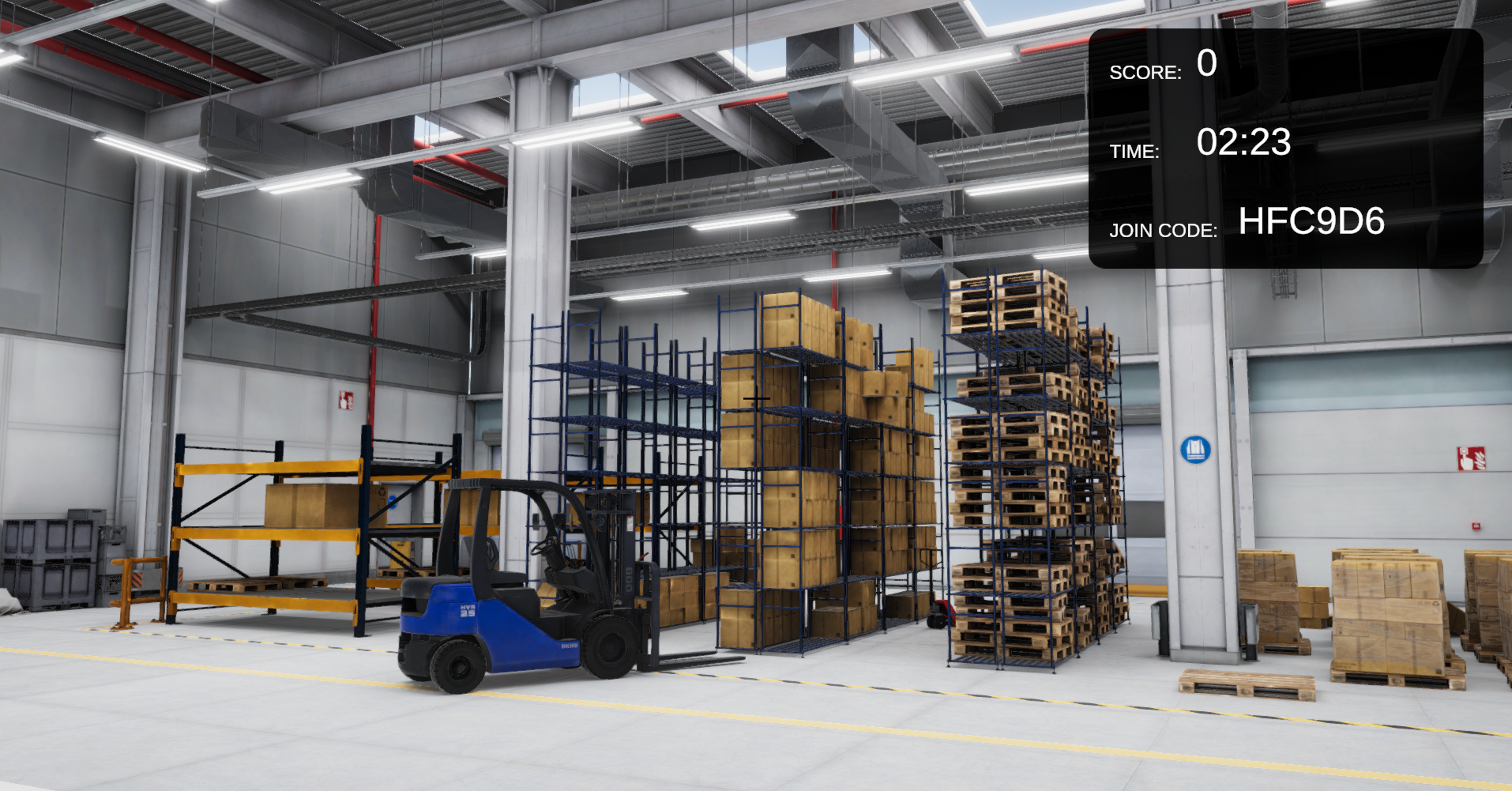
The Hazard Spotting Training experience emerged as an experiment designed to test a hypothesis about learning itself. We believed that the moments when people discuss hazards, when they defend their assessments and hear others’ perspectives, are precisely when understanding truly takes hold. Rather than building another standard online training module, we wanted to create an immersive warehouse environment where up to eight participants could walk around freely, identify hazards individually, and then engage in structured group discussion to reach consensus on risk levels.
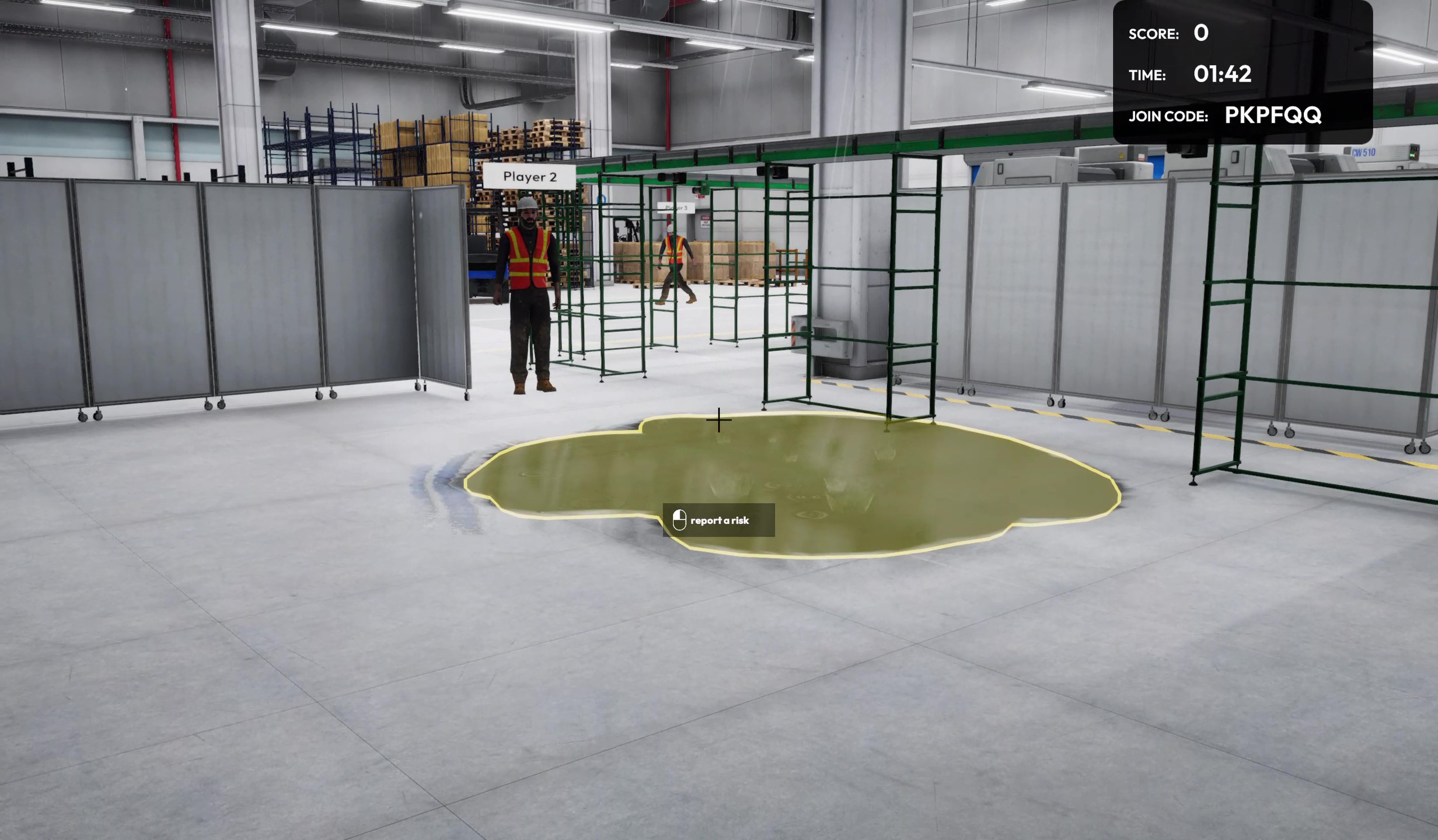
The innovation wasn’t the warehouse itself, though we invested considerable effort in realistic hazard visualization: puddles, dripping water, authentic spatial layouts. The real innovation was the collaborative assessment framework. Just as teams make independent judgments before sharing and discussing, our training experience separated individual hazard identification from group risk assessment. This deliberate pause for group reflection became the heart of the learning experience.
The project was initially developed as a desktop application, later adapted to VR headsets for client deployments. It integrated with learning management systems to track individual and group performance against expert answers, providing both learners and organizations with actionable feedback.
How we built it: Learning from real-world challenges
We made a deliberate choice to develop on desktop first, even though the vision was ultimately VR. This approach freed us from the constraints of VR device limitations, allowing us to focus on the core learning mechanics without getting bogged down in technical complexity.
When we adapted the experience to VR headsets, we encountered unexpected design challenges. We initially tried using controllers for interaction, but user testing revealed a problem: new users struggled with the cognitive load of simultaneously navigating the space and selecting hazards. The solution was simpler than we expected, hands-free interaction, allowing users to point and select naturally. This single change dramatically improved accessibility and made the experience much easier to learn.
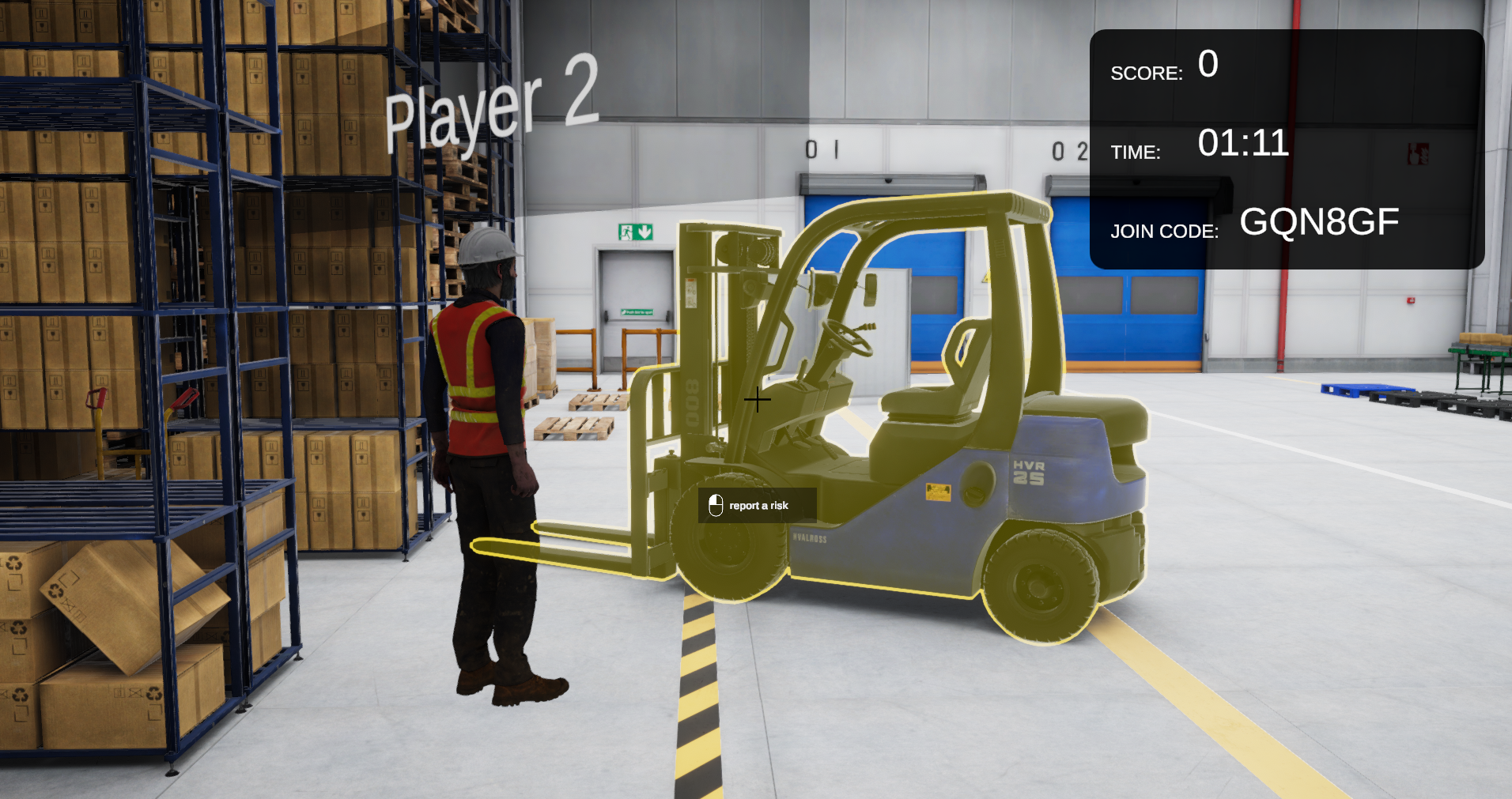
Another challenge emerged when participants discovered hazards at different times. If one person found a hazard ten minutes before others, how could we keep everyone engaged in the collaborative moment? We implemented a hazard assessment mode that triggers when any participant flags an issue, allowing all users to navigate to that location for discussion. This ensured that early discoverers weren’t penalized and that the collaborative moment remained meaningful.
We then explored other features, like randomly generated hazards and progressive difficulty levels and integration with Learning Management Systems (LMS).
What we learned: from proof of concept to real impact
The Hazard Spotting project validated something the team suspected but hadn’t proven: that collaborative learning mechanics, when well-designed, genuinely resonate with people and remain effective even through multiple iterations.
The project unlocked two critical insights. First, it demonstrated that immersive collaborative experiences could be built, deployed, and integrated with enterprise learning systems. This became a significant advantage in subsequent client work. Second, it revealed the commercial value of customization: adapting the generic warehouse to match a client’s actual facility, product layouts, and working conditions transformed a proof of concept into a real, deployable solution.
The project’s lasting influence extends beyond the specific application. It established a template for how the team approaches collaborative learning: start with a clear learning hypothesis, validate it through user testing, and build the technical infrastructure to support, rather than constrain, the learning design. The emphasis on realistic environmental detail, not for spectacle but for credibility, shaped how we approach all safety and compliance training.
The bigger picture: rom impressive to effective
Looking back, Hazard Spotting represents a pivotal moment when the team moved from building impressive immersive experiences to building immersive learning systems. That shift in thinking, from “how do we make this impressive?” to “how do we make this effective?”, has defined our work ever since.
The core insight remains unchanged: people learn best when they think independently, then discuss and defend their thinking with others. Technology is simply the vehicle that makes this possible at scale, in engaging ways, and with measurable results.
Clyde Pashley
Lead 3D modeling & Unity development